The journey & history of stoneThe Romans built for ever
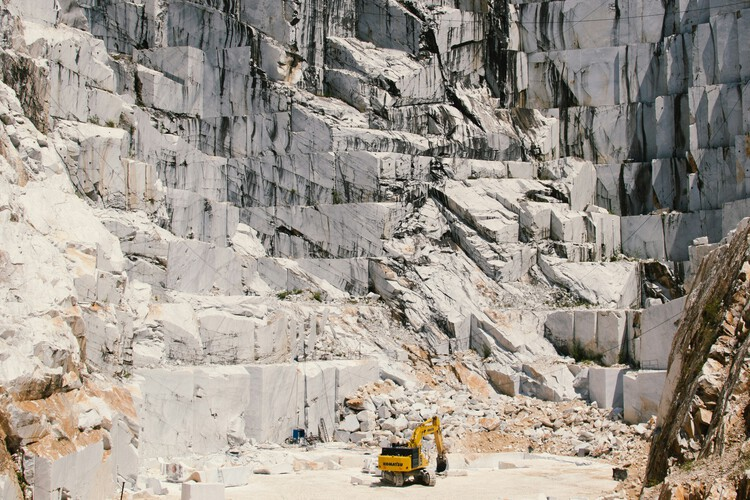
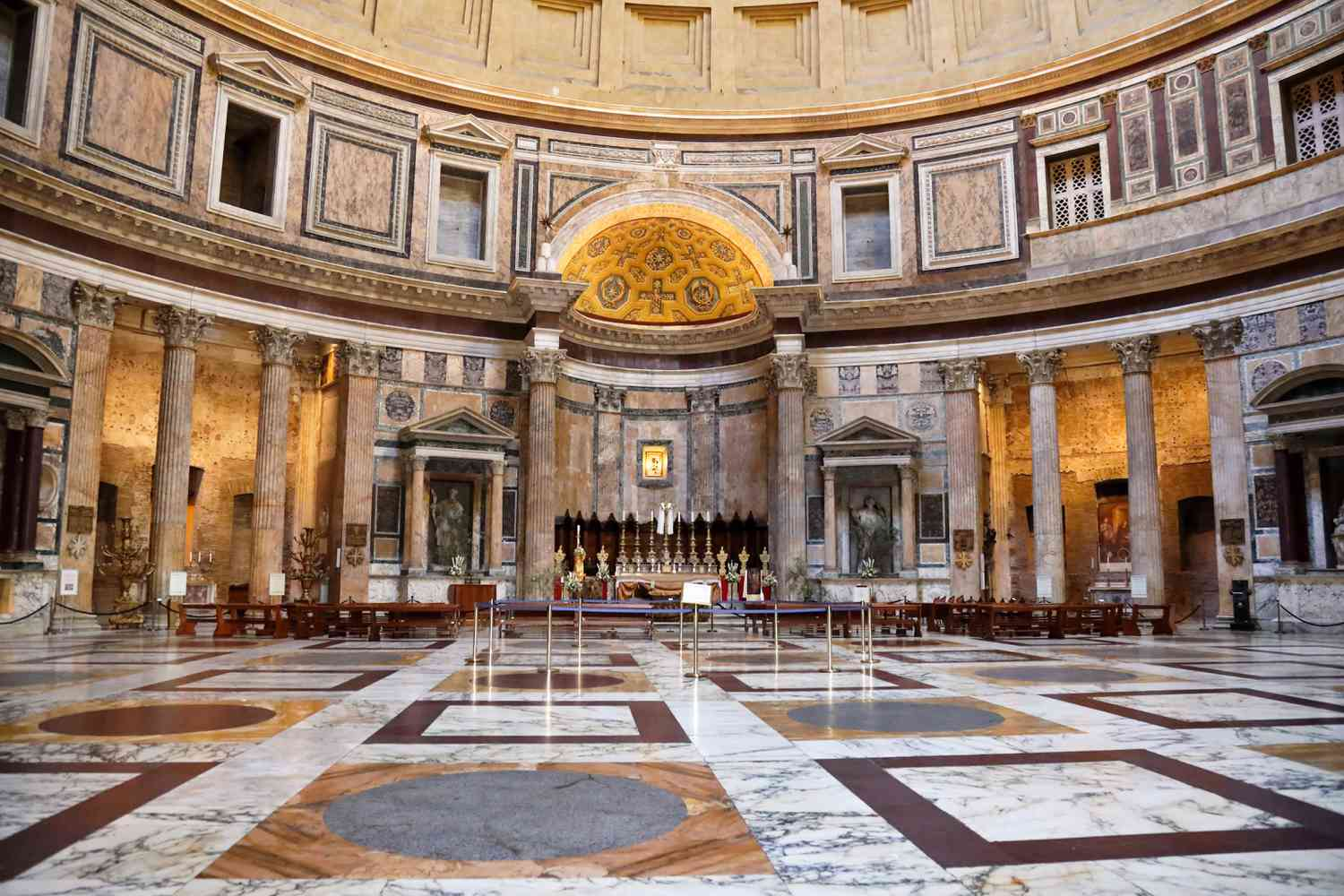
More than two thousand years ago, the Romans chose natural stone for what was meant to last. The dome of the Pantheon has carried its own weight since the second century, the travertine walls of the Colosseum have stood for nearly two millennia, and the marble slabs of the forums have been trodden by soldiers, emperors and pilgrims — and are still there to walk on. The marble the Romans called Luna was quarried in the mountains around Carrara, and it is still quarried there.
What the Romans understood is still the starting point of our work: natural stone does not run out, it ages. The patina is not wear but a layer of time — a threshold ground by the feet of generations, a stair edge shaped by water and hands, a marble surface that has matured into a deeper lustre. The scratches and shifts in tone are the memory of the stone, not its flaws.
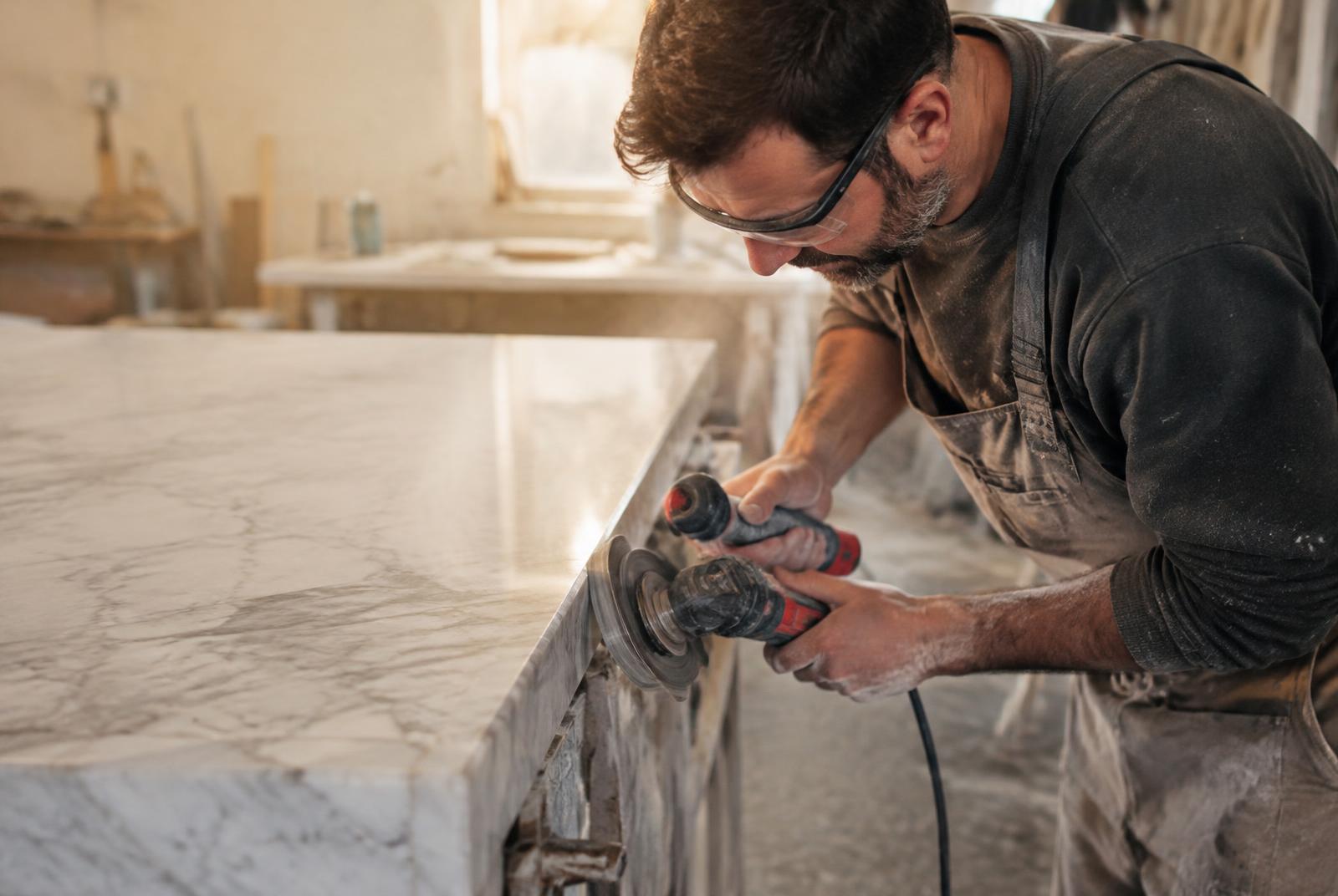
That is why we select slabs with the same question the Romans asked of their stone: what will this look like in fifty years? The right stone, the right surface and gentle care give rooms that grow more beautiful with the years and can one day be re-ground and used again — in another home, on another square.
How to care for stone →